
Knowledgebase & Insights
Application notes, real-world use cases, product updates, know-how, news and infographics.
Browse by Topic
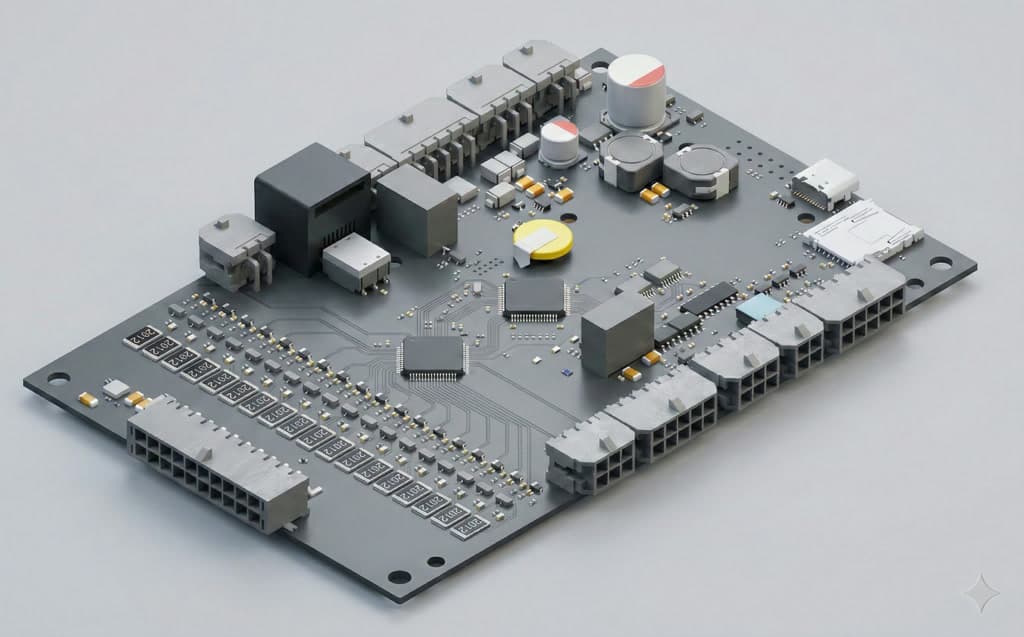
BMS Architecture: The Decision That Defines Your Battery
A practical framework for choosing between standalone, master-slave, and multi-master BMS architectures across micromobility, light EVs, warehousing, and energy storage.
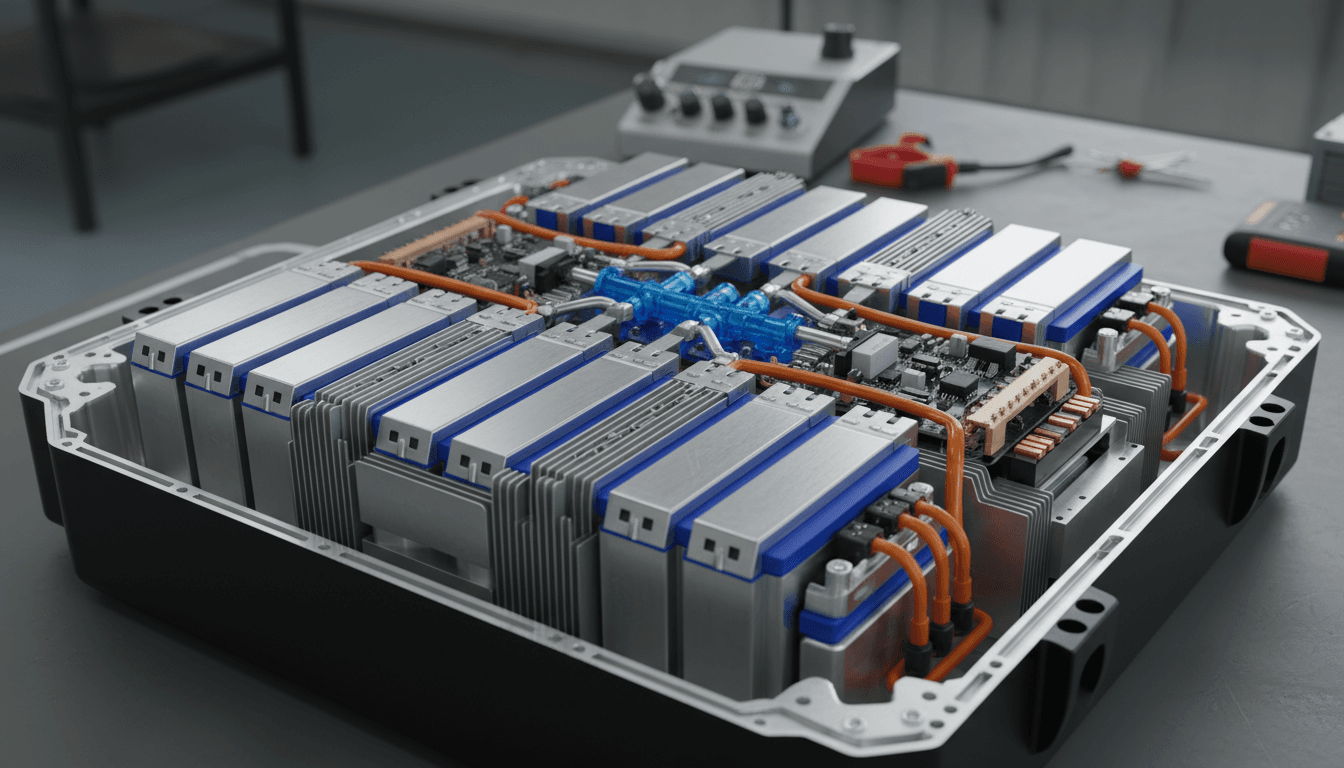
Second-Life Batteries: Why Your BMS Data Today Determines Tomorrow's Circular Economy
1.3 million tons of EV batteries will retire annually by 2035. Whether they get repurposed or recycled depends on whether the BMS collected lifecycle data.
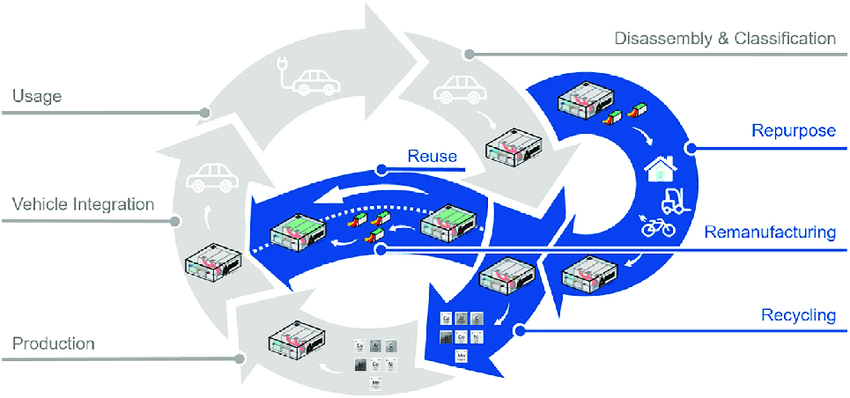
The Rise of AI in Battery Management: What It Means for Your Next BMS
What does AI actually do inside a BMS — from SOC estimation to fault detection and thermal management? Where should it run: at the edge or in the cloud?
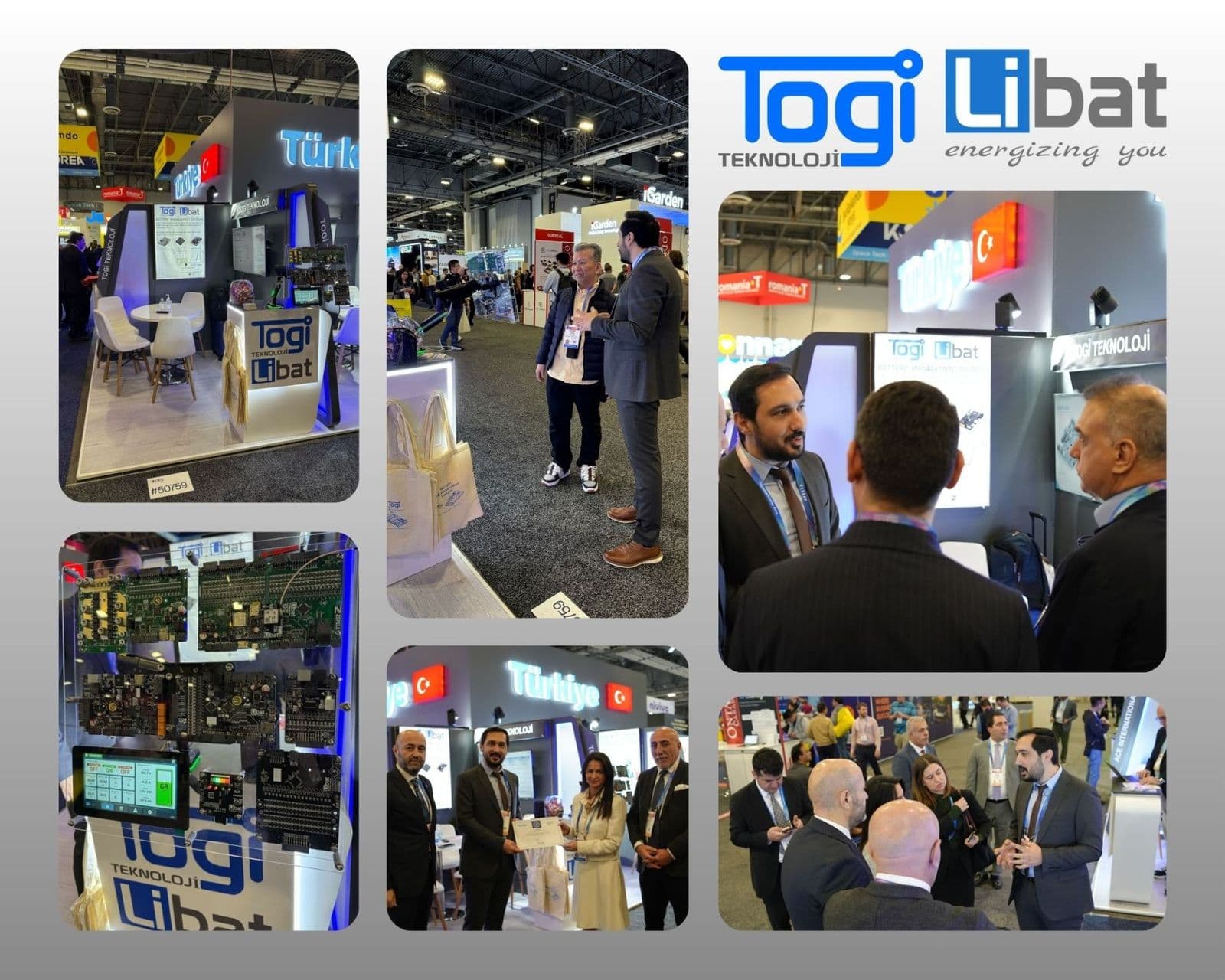
From Istanbul to Las Vegas: LiBat's Journey to CES 2026
From a small technopark office in Istanbul to CES 2026 in Las Vegas — how LiBat grew into a European-scale battery management and electronics company.

Bridging Research and Industry: Academic Contributions from a Battery Management Startup
Building safety-critical battery systems demands both academic rigor and commercial speed. How LiBat bridges peer-reviewed research and product delivery.
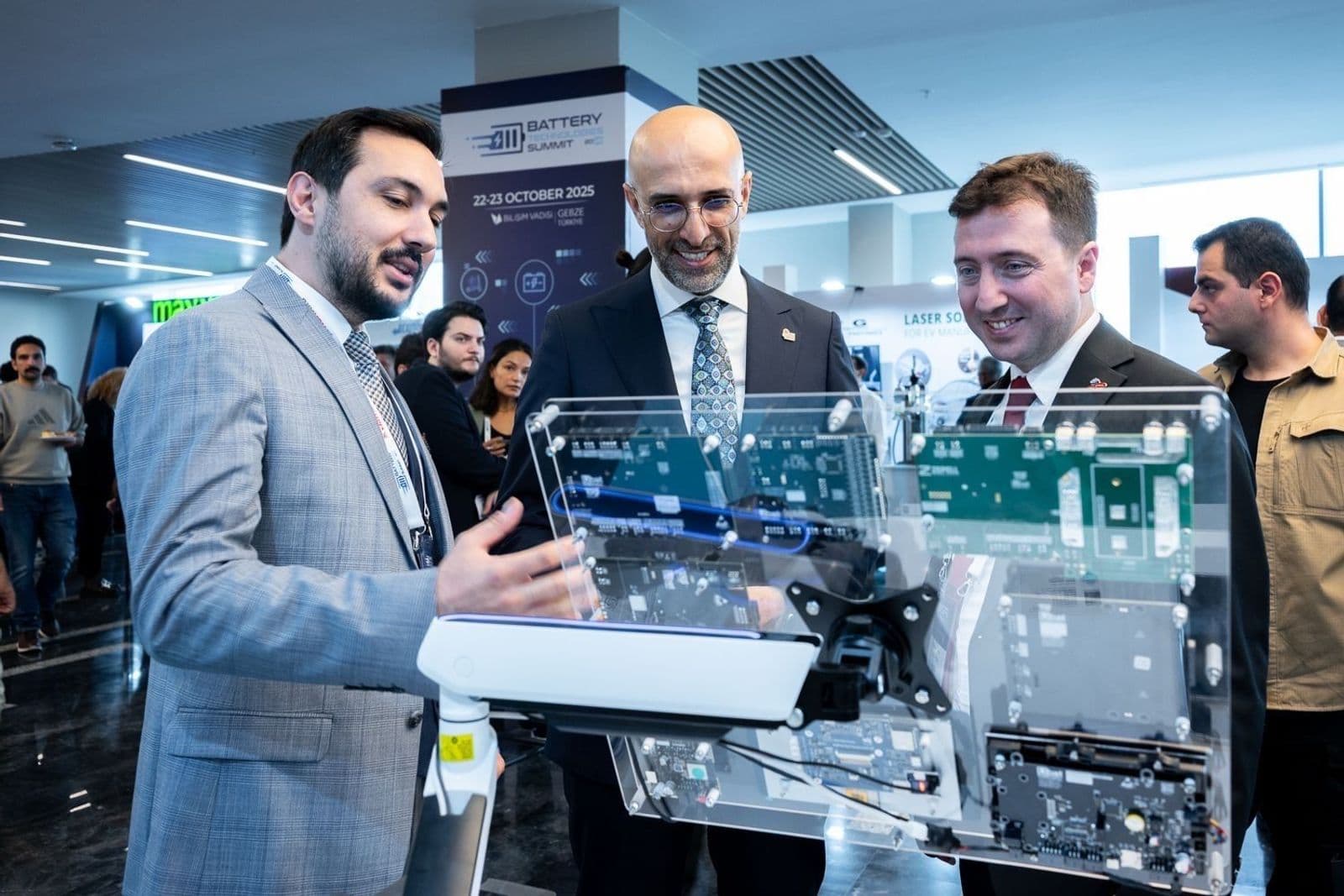
LiBat at Battery Technologies Summit 2025: Two Keynotes on Turkey's Energy Storage Future
At BTS 2025 in Bilişim Vadisi, LiBat delivered two keynotes on the Turkish battery industry’s growth and cloud-aided BMS for non-automotive applications.

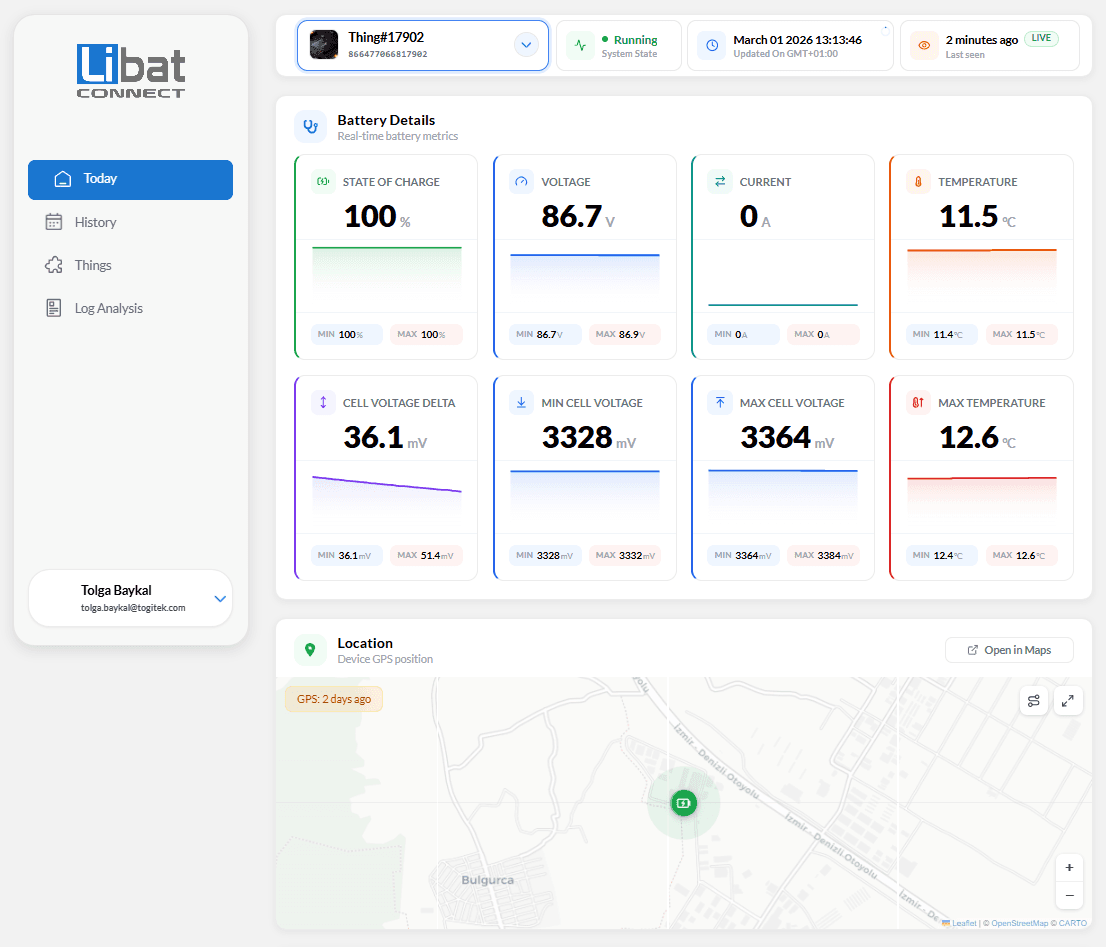
Cloud-Connected Battery Management for Non-Automotive Applications
Most BMS units go into warehouse robots, e-scooter fleets, and energy storage — not cars. Cloud connectivity changes the management equation entirely.
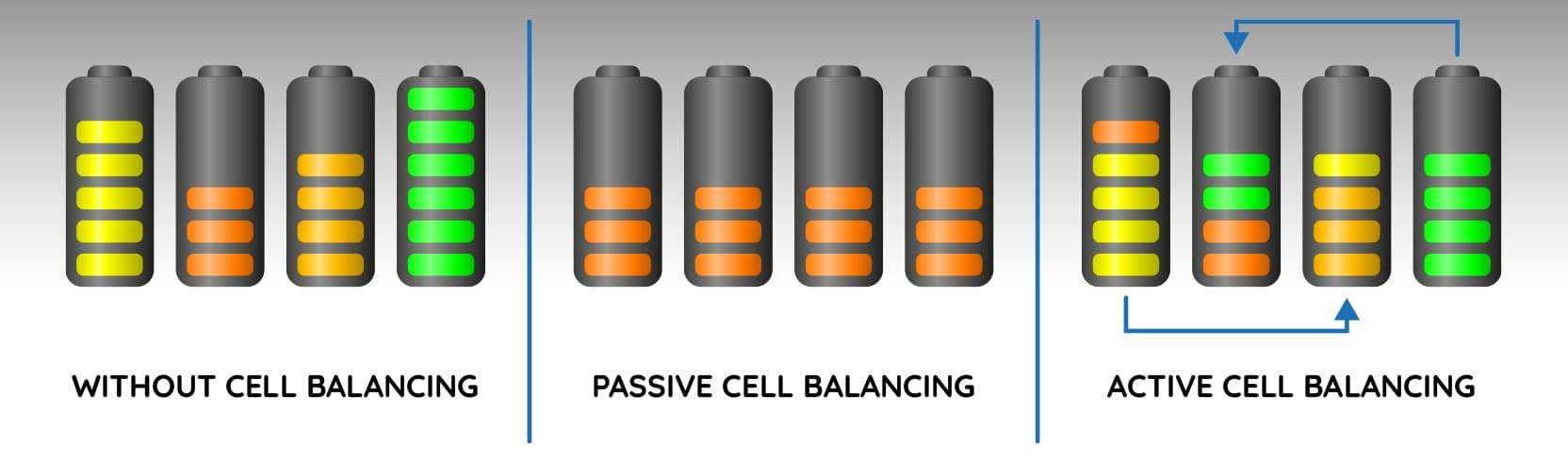
Active vs. Passive Cell Balancing: A Functional Safety and Risk Perspective
Functional safety analysis reveals passive cell balancing as the more defensible production BMS choice — lower failure mode severity, cost, and risk.
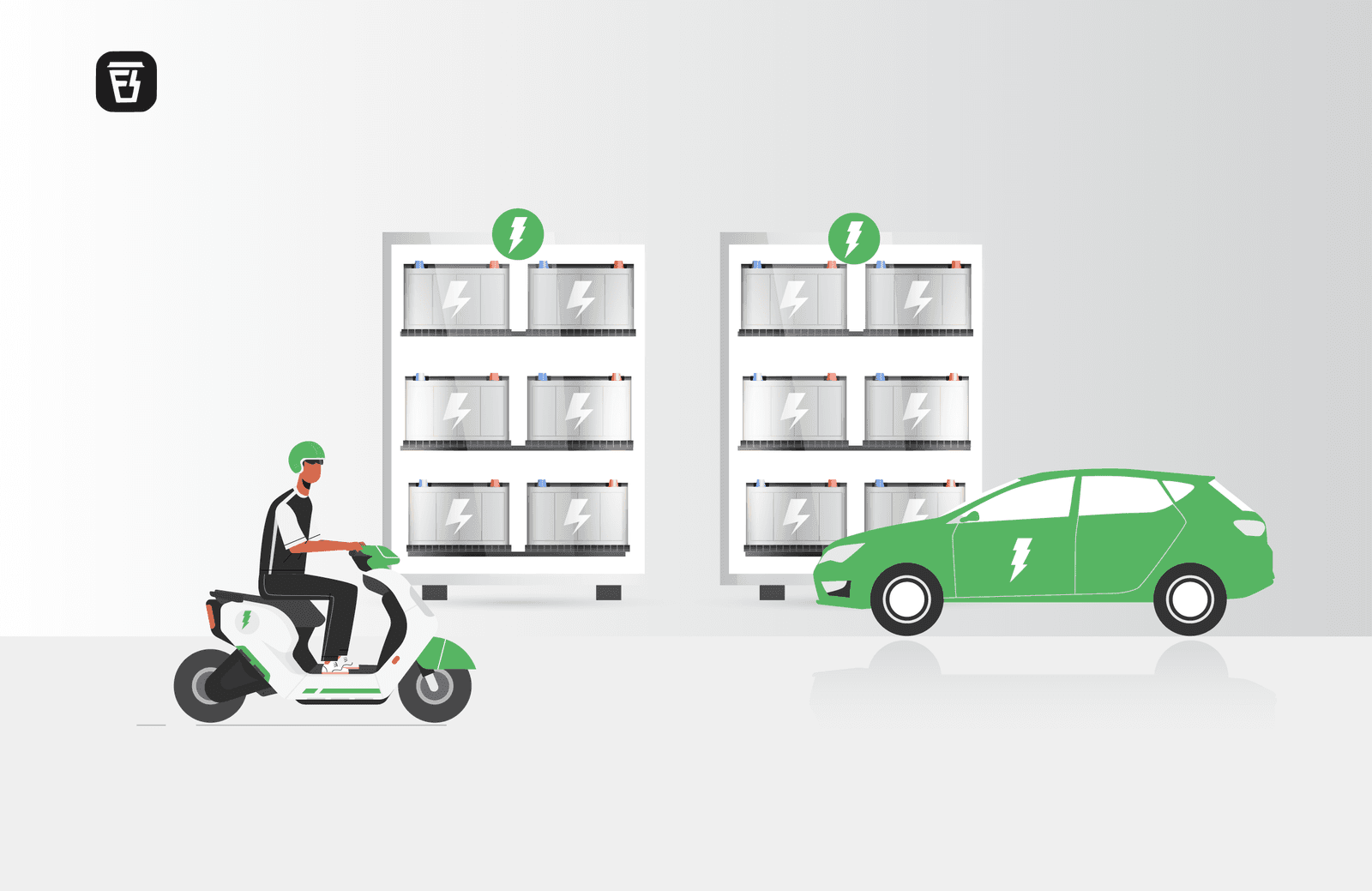
Cloud Batteries for Future Mobility: Why Battery-as-a-Service Will Reshape Energy
Batteries represent 30–50% of light EV cost. Battery-as-a-Service changes the economics entirely, but only if cloud management infrastructure is ready.
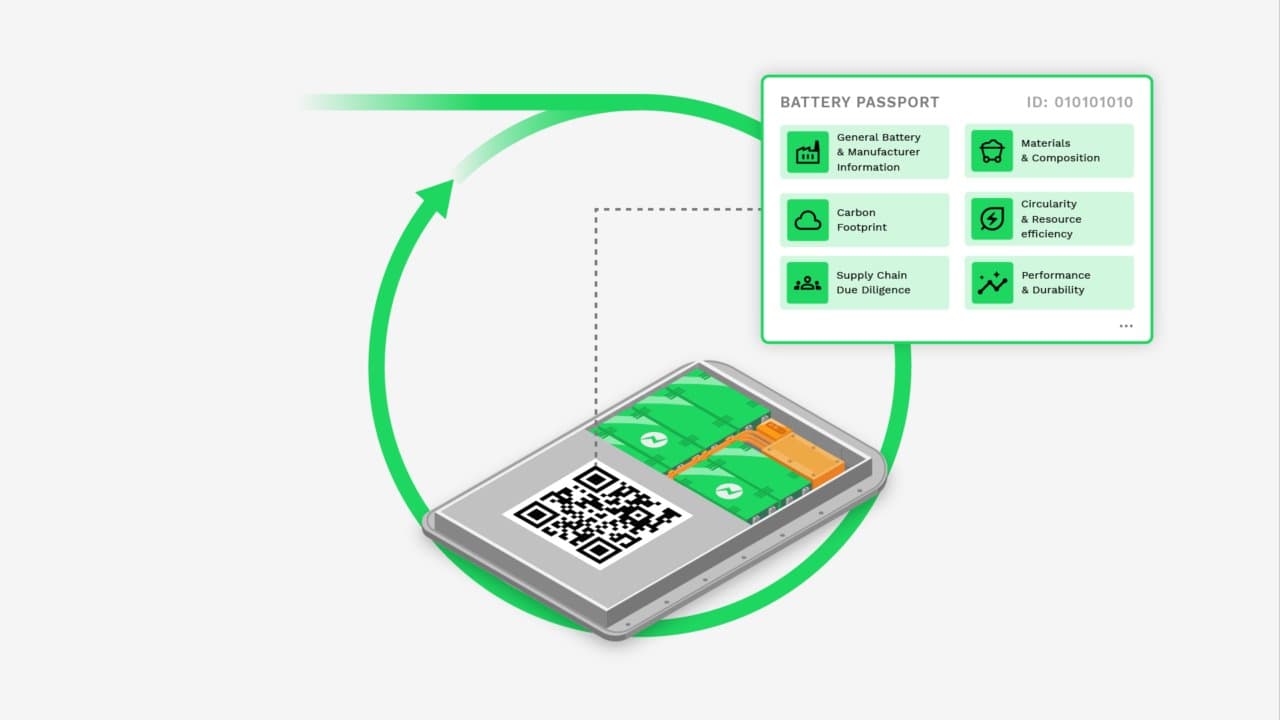
EU Battery Passport: What It Requires and How Your BMS Delivers It
By February 2027, every EV and industrial battery in the EU needs a digital passport. Most of the required data already lives inside your BMS firmware.
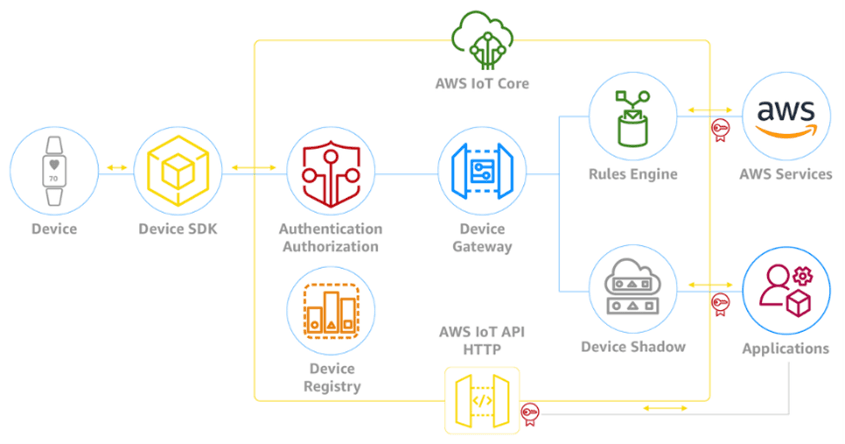
OTA Firmware Updates: How Cloud-Connected BMS Transforms Fleet Maintenance
When your BMS fleet scales beyond a few installations, laptop-based firmware updates become impractical. OTA updates change fleet maintenance economics.

Inside the OPEVA Project: How 34 European Partners Are Optimizing EV Autonomy
LiBat’s role in the EUR 25.5M OPEVA Horizon Europe consortium: contributing smart BMS infrastructure, wireless charging, and cybersecurity research.
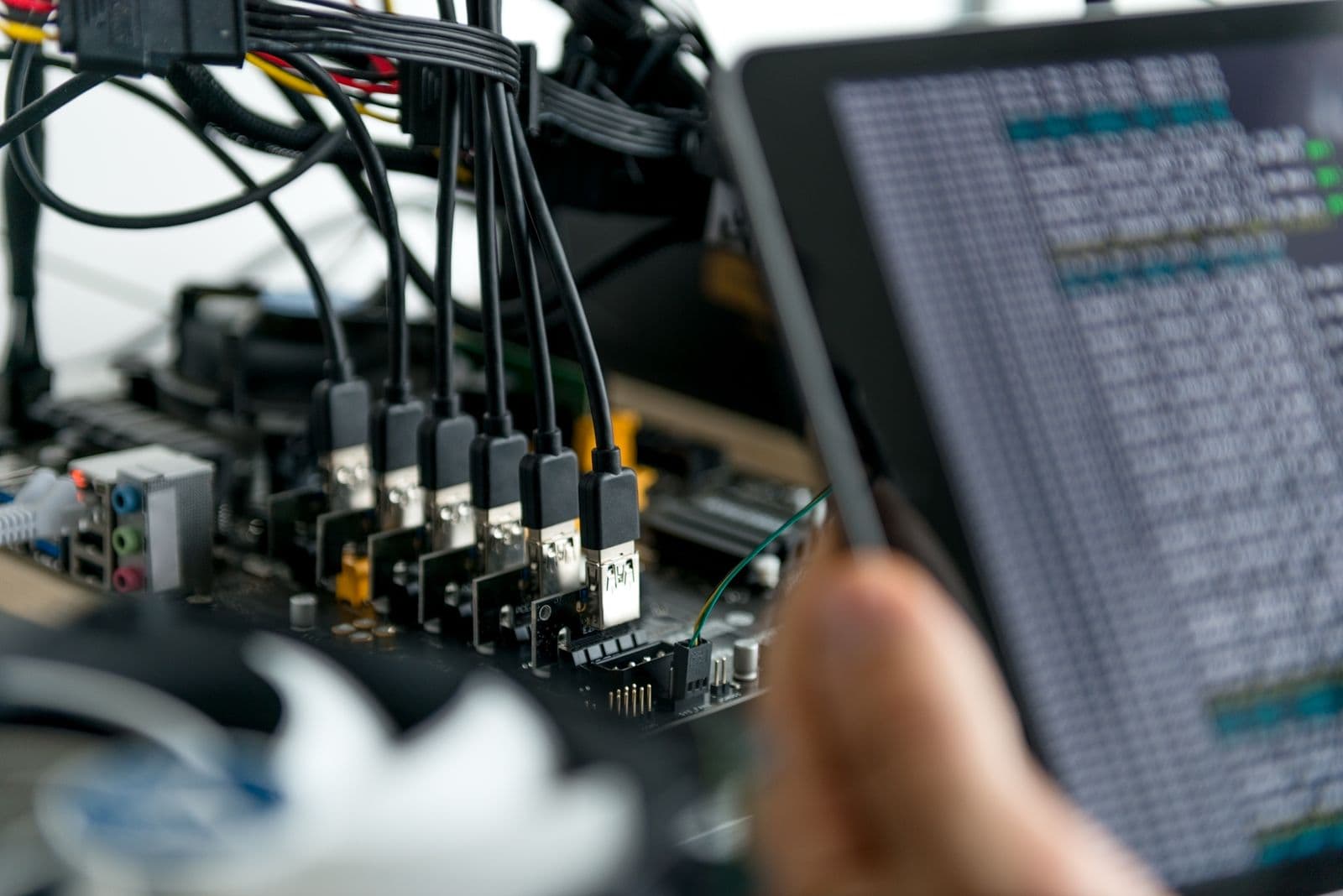
BMS Communication Protocols: CAN Bus, Modbus RTU, and JSON Compared
CAN Bus, Modbus RTU, and JSON compared for BMS communication — latency, cable distance, integration effort, and why most installations use more than one.

End-to-End Battery Digitalization: From Embedded Hardware to Cloud Analytics
Five layers from lithium cell to cloud dashboard: analog measurement, firmware, communication, cloud platform, and intelligence — built as one system.

Electrifying Light Commercial Vehicles: What Fleet Operators Need from a BMS
Light commercial vehicles are the fastest-growing EV segment in Europe and Türkiye. What delivery van fleets and utility OEMs actually need from a BMS.
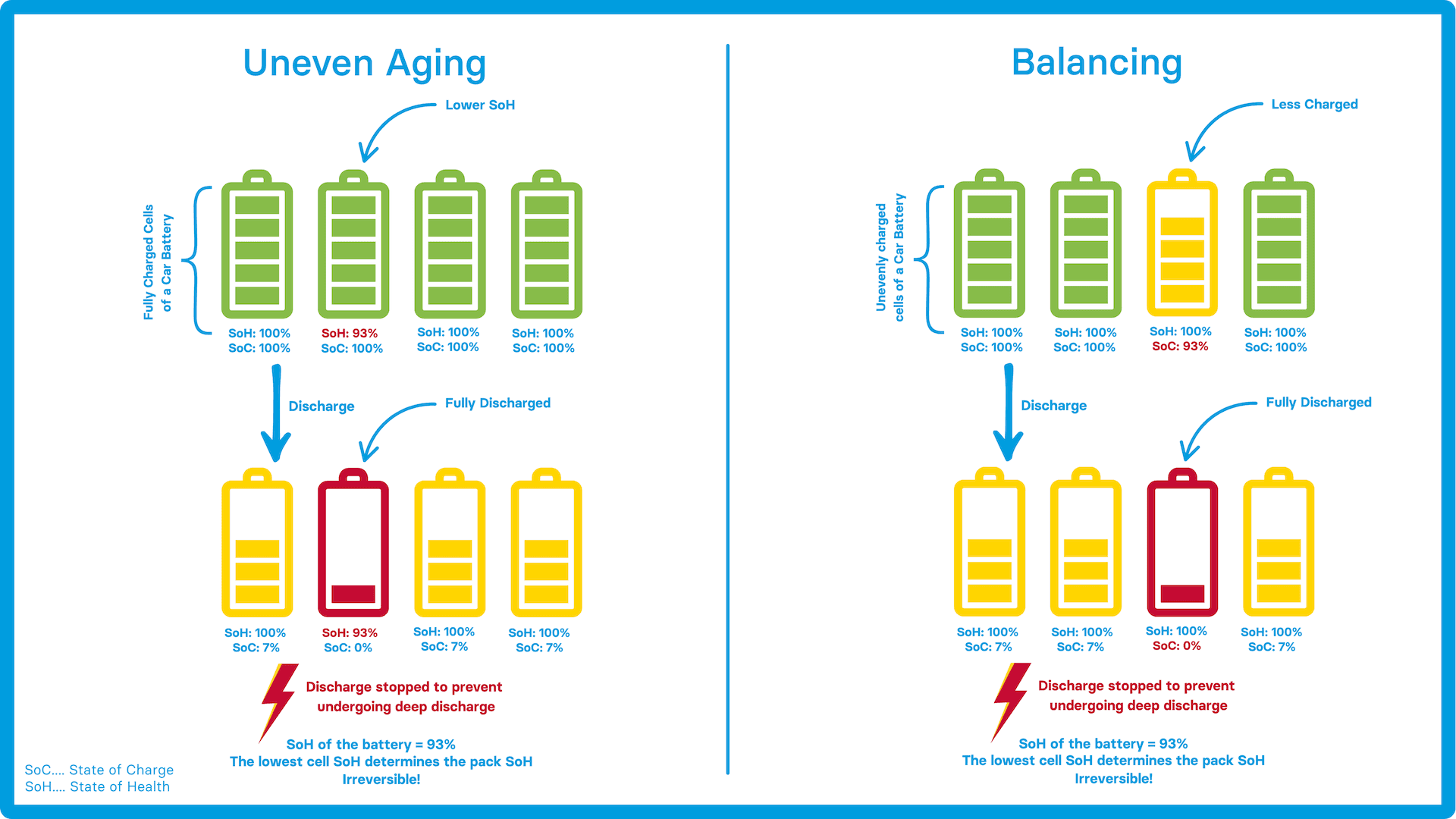
Passive Cell Balancing: Why Balancing Current Matters More Than You Think
Balancing current is one of the most overlooked BMS specs. How the gap between 200mA and 1000mA affects pack capacity, charge time, and system economics.

Master-Slave BMS Architecture: From 48V to 900V Energy Storage
When energy storage scales beyond 48V, a single BMS can’t monitor every cell. How distributed master-slave topology with isolated daisy-chain solves it.